Disney Wants to Fake a Ride's Climbs and Drops With Angled Scenery Alone, No Lift Hill and No Screens Needed
Picture a ride vehicle that never leaves level track, while everything you can see insists you just climbed a full story. Walt Disney Imagineering has filed for a way to pull that off, and in its basic form it needs no machinery and no video at all.
A patent application titled "Elevation Change Illusion Through Set Design" published on Thursday, August 13, 2026, assigned to Disney Enterprises, Inc. and carrying the publication number US 2026/0233111 A1. It was filed on February 10, 2025, so it sat in the queue for roughly a year and a half before going public.
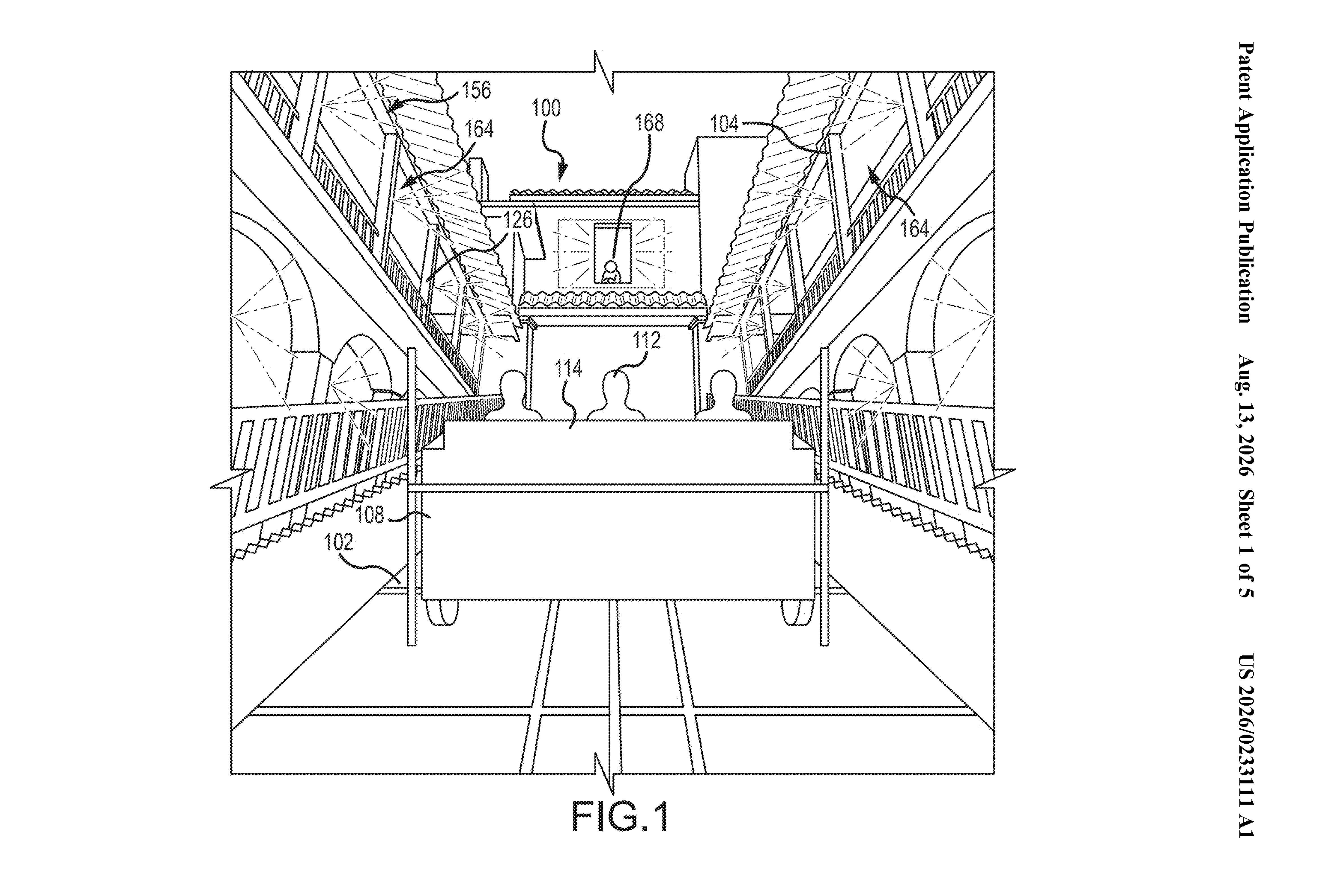
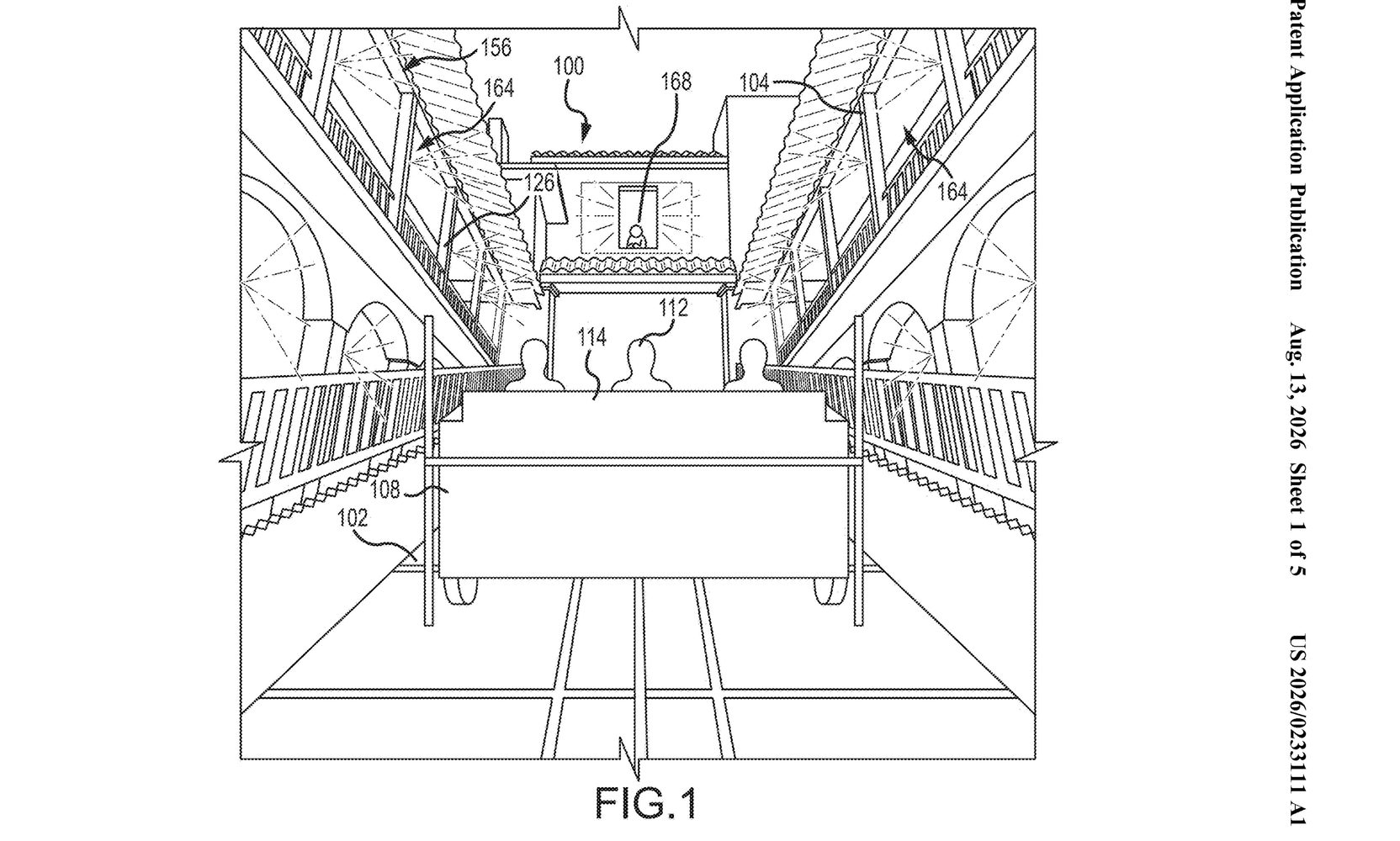
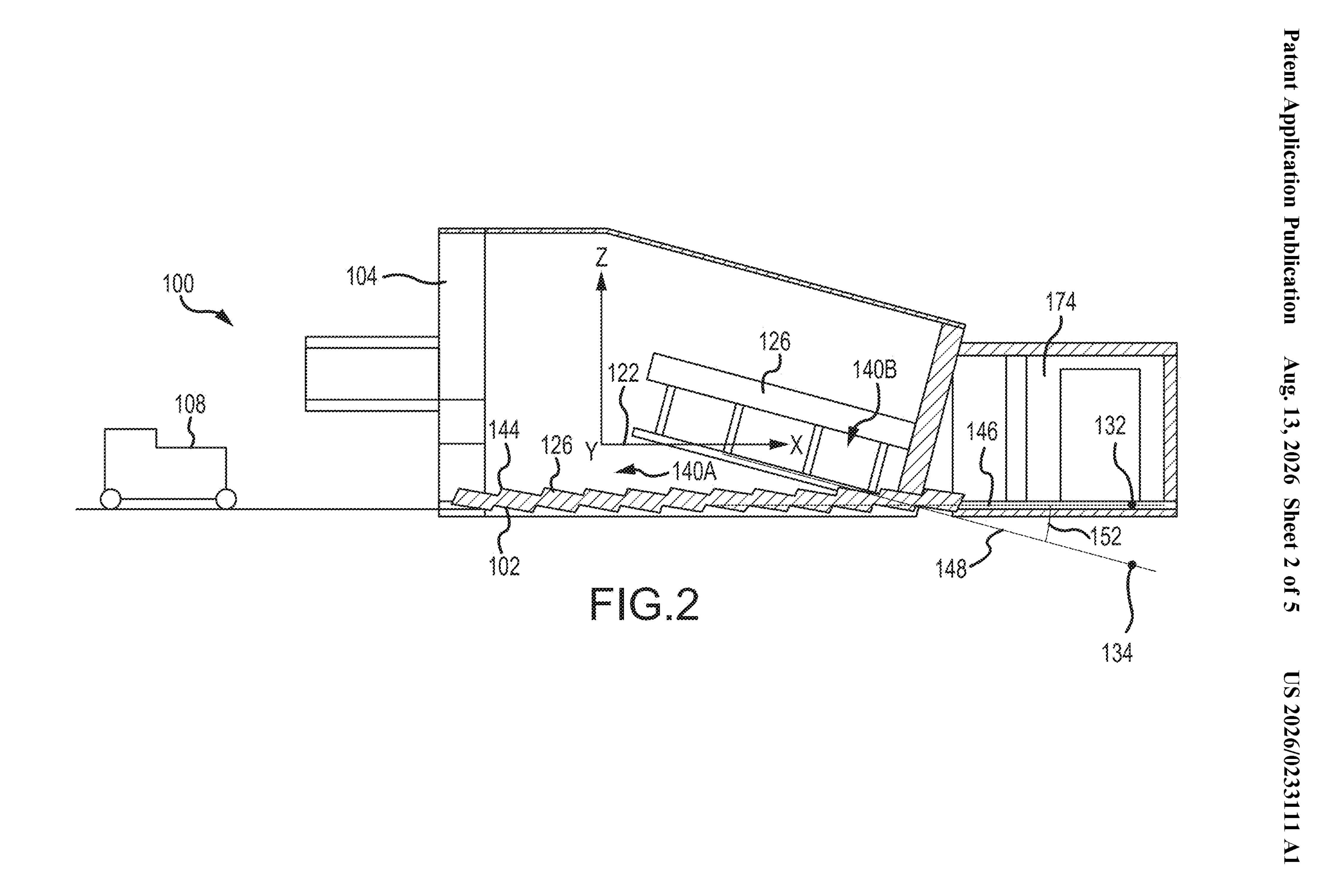
How the trick works: your eye reads depth by chasing lines toward a vanishing point, and on an ordinary ride that point sits wherever the track leads. The filing's idea is to build the scenery so its lines aim somewhere else entirely, at a second point set deliberately above or below the real one. Your brain now has two competing cues about where level sits, and both outlets describe it resolving that mismatch by reading the vehicle as gaining or losing height, even though the track never changes.
WDWMagic put the important part plainly: "The core version of this trick needs no moving parts and no screens at all, just angled walls and stairs." The filing does not stop there. WDWMagic says it also lists optional extras, video projection among them, along with scenery that moves or changes shape as the vehicle goes by, layered over the static illusion to strengthen it.
The application spells out how far to push it. It describes a "direction of illusion" running roughly 10 to 20 degrees off the guest's actual direction of travel, with 15 degrees given as one example. To keep you from catching on, the filing adds a focal point at the far end of the track, a lit prop for example, so guests look straight ahead and the tilted scenery beside them stays out of direct focus.
Who filed it: the named inventors are Daniel Joseph, Jessica Anne Klouda, Martha Patricia Gutierrez Navarro and Jason William Monahan. Joseph is the notable name. When Walt Disney Imagineering shared news on Instagram that the Florida Inventors Hall of Fame had named him to its 2023 class, it described him as a principal illusion integrator who "holds more than 30 Disney patents," and counted the Hatbox Ghost in Disneyland's Haunted Mansion among the effects he helped imagine, design and install. In other words, the Imagineer WDWMagic lists as lead inventor is a specialist in exactly this kind of trick.
Where it might actually turn up: here is where you should keep your expectations calibrated. Disney did not say a word about which attraction this is for, and the filing does not name one. What happened is that Blog Mickey read the filing's written description and found a close match with the Encanto ride now going up in Tropical Americas at Disney's Animal Kingdom, raising the idea that guests could sense themselves passing between the Casita's floors without Disney having to build a real multi level track. Blog Mickey calls that connection speculative in the same breath. WDWMagic did not single out one ride at all. It listed the projects that could use the approach: the Encanto and Indiana Jones attractions coming to Disney's Animal Kingdom, and the villains themed land planned for Magic Kingdom, where it says a dark ride could use this kind of illusion. Neither outlet claims the drawings themselves depict a Casita.
That is informed reading of a patent description, not an announcement. Treat it accordingly.
One more caveat worth holding onto: this is a published application, not a granted patent. The header on the drawing sheets reads "Patent Application Publication," and publication is routine: the U.S. Patent and Trademark Office makes most applications public roughly 18 months after their earliest filing date, whether or not a patent is ever granted. Blog Mickey also points out that Disney files patents constantly across all kinds of attractions and projects, and that nothing confirms this one is headed for Encanto.
Still, WDWMagic frames the appeal in terms of cost. Its reasoning: a genuinely multi story attraction, or a real added level inside an existing show building, gets costly fast, while a set design illusion can land a similar effect for much less. With several Walt Disney World attractions currently in construction, WDWMagic expects the technique to surface in one of them before long.
Sources: WDWMagic, "No Lift Hill Needed: Disney's New Patent Fakes Rising and Falling"; Blog Mickey, "Disney Patent Reveals New Elevation Change Illusion for Theme Park Attractions"; WDW News Today, "Hatbox Ghost Imagineer Daniel Joseph Inducted Into Florida Inventors Hall of Fame".
Image credits: Both figures are drawings from Disney Enterprises, Inc. patent application US 2026/0233111 A1, published August 13, 2026. They are sheets 1 and 2 of the filing's five drawing sheets, the only two WDWMagic reproduced.